Miami startup ecosystem: an angel investor’s guide
Brian Nichols is the co-founder of Angel Squad, an angel investing community where aspiring and active angels learn from Hustle Fund’s approach, review curated deal flow, and connect with peers.
Miami’s startup ecosystem gives investors plenty of introductions. Turning those introductions into informed investment decisions takes more work. You need to understand the businesses being built, the networks behind them, and the difference between a local advantage and a good pitch about the city.
Start with the right Miami map
Miami’s startup ecosystem includes founders, investors, universities, experienced operators, and organizations that help companies get started and grow. Its connections extend well beyond the City of Miami.
That matters when you read funding headlines. The eMerge Americas 2025 venture capital report counts South Florida as Miami-Dade, Broward, and Palm Beach counties. That region attracted $4.13 billion across 376 deals in 2025, up 49% in funding from 2024. Those are regional figures, not dollars raised exclusively by startups in Miami city limits.
The report also counts companies with their primary headquarters in Florida at the time of financing. A company that moved here after years of building elsewhere can contribute to the total. For investors, a headquarters announcement and a new locally formed company represent different parts of the ecosystem.
Activity continued into 2026. In October, Refresh Miami reported at least $3.14 billion in South Florida venture funding through the third quarter, using PitchBook data. Its reporting also documents how headquarters classifications and newly recorded rounds change the totals.
Use those numbers to understand the scale of activity. They don't establish how many suitable earliest-stage opportunities you can access, what those companies cost, or whether any particular investment makes sense.
Where Miami has specific startup strengths
We look for a connection between a company’s location and its ability to win customers, recruit talent, or understand a difficult problem. Miami provides several useful places to start that investigation.
Fintech and cross-border businesses
Financial technology is a substantial part of the local market. eMerge’s report recorded $909 million in Miami-metro fintech funding in 2025. Its company examples include Félix, a chat-based remittance business, and Sardine, which works on fraud, compliance, and credit risk.
Miami’s connections across the Americas can help founders understand customers who move money, sell goods, or operate businesses across borders. But “Latin America” is too broad to be a customer segment. A company serving Mexican consumers and one serving Brazilian businesses have different distribution, payment, and operating requirements.
Ask for the specific corridor, buyer, and problem. For a payments startup, separate the money moving through the product from the revenue the company keeps. Then understand what remains after banking partners, fraud losses, support, and other direct costs.
An operator who has managed cross-border payments may spot a flawed assumption that a generalist misses. Our co-founder and general partner Elizabeth Yin writes in Democratizing Knowledge: “Investors use their life perspective to assess.” Your experience can help you choose better questions. It doesn't remove the need for customer evidence.
Healthtech and applied artificial intelligence
Healthcare is another meaningful source of companies. eMerge recorded $821 million across 56 healthcare-related deals in South Florida in 2025. OpenEvidence, which builds artificial intelligence tools for clinicians, is one example of a company that relocated to Miami.
Separate the person who uses a healthcare product from the organization that pays for it. A clinician may love a tool while the purchasing decision sits with a hospital, practice administrator, or another budget owner.
The same distinction helps with artificial intelligence products across industries. A convincing demonstration says little about repeated use, the cost of delivering the service, or how much human work remains behind the screen. Ask which task the product replaces, who pays, and why customers keep using it after the pilot.
Property, hospitality, trade, and resilience
Miami also gives founders access to buyers in property, hospitality, and international trade. For an angel with experience in hotel operations, construction, insurance, or logistics, those businesses can provide a more familiar starting point than a fashionable software category.
There is specific infrastructure behind resilience technology. Miami-Dade leads the Risk and Resilience Tech Hub, whose work includes commercializing clean cement and concrete. The county describes a coalition involving industry, research, government, and workforce organizations.
These opportunities require different evidence. Construction software needs a clear buyer and a path into existing workflows. A new building material needs technical evidence, a production plan, and a realistic route to adoption. Proximity to customers can help with those tasks; the address alone accomplishes none of them.
Build a network that fits the work you can do
Investor education, local news, founder programs, and conferences serve different purposes. Start with support for your own decision-making, then add the local relationships that match your sector and available time.
Practice evaluating deals with other investors
Our Angel Squad community combines investor education, curated deal flow, and peer learning. Members can examine why Hustle Fund invested and compare their questions with those of other investors. That's useful when you're developing a judgment process alongside a local network.
The community is broader than Miami. Membership doesn't promise Miami-specific opportunities or the ability to invest in any particular company. Treat it as a place to develop your investing practice, rather than a substitute for understanding local founders and customers.
Follow the local record through Refresh Miami
Refresh Miami publishes startup news, funding coverage, founder interviews, and a community events calendar. It gives you a way to follow companies between fundraising announcements and find gatherings relevant to your work.
Choose a recurring technical or industry group where you can contribute. Repeated conversations give you more context about what someone is building than a pile of introductions from a single evening.
Use eMerge Americas for focused introductions
eMerge Americas brings founders, investors, and technology organizations together through its conference and startup programming. It's useful for concentrating meetings with people who may otherwise be spread across the region or visiting from elsewhere.
Go with a narrow purpose: meet founders selling into a sector you understand, reconnect with a company you've followed, or speak with operators who could explain a customer's buying process. Conference participation and pitch-stage polish are weak substitutes for business progress.
Understand Endeavor Miami’s founder network
Endeavor Miami supports entrepreneurs through mentorship and peer networks. Its 2025 ScaleUp program redesign describes lead mentors, founder forums, and feedback panels focused on companies navigating growth.
That makes it relevant for operators who can contribute specific experience, such as enterprise sales, hiring, or expansion into another market. Participation in a founder-support program doesn't establish that a company is fundraising or that investors have access to its round.
Include university-linked founders
Florida International University’s StartUP FIU supports entrepreneurship among students, researchers, and the wider community. The University of Miami’s Launch Pad provides startup consulting and programs for its university community, including alumni.
These are routes into people and ideas at different stages of development. A research project, a student business, and a venture-backed startup can need very different kinds of help. Offer relevant expertise without assuming every entrepreneur wants an investment.
Our approach to nurturing deal flow includes helping founders over time. A useful introduction or a thoughtful sales-process review gives both sides a reason to stay in touch. It creates no obligation to invest or accept your money.
Evaluate the local advantage before writing a check
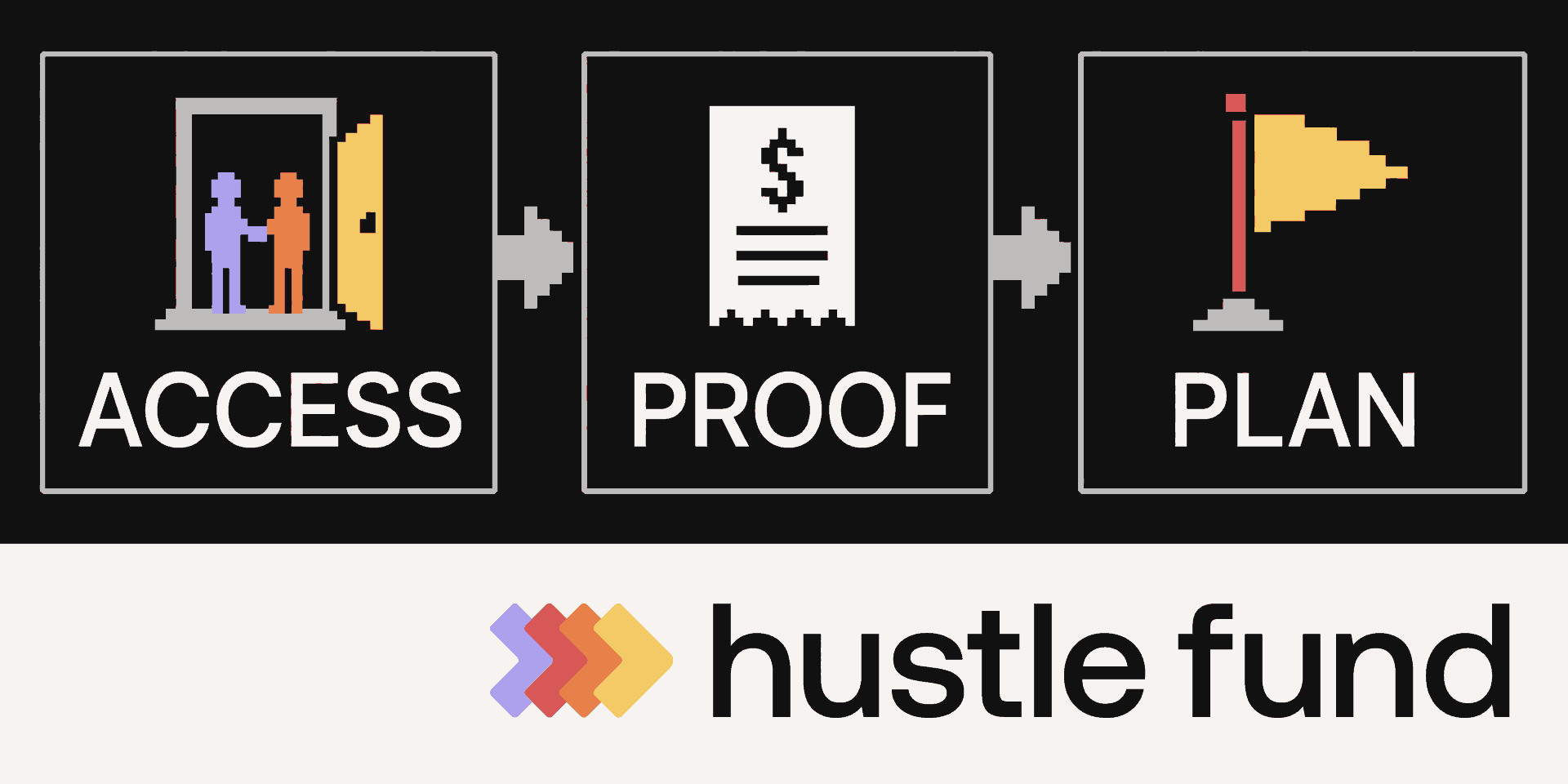
A Miami connection becomes useful investment evidence when you can explain what it changes for the company. Work through three questions in sequence.
- Customer access: Which customers, partners, or specialized hires can this team reach because of its relationships here? Name the people and the route into the market. A large contact list is less informative than access to the person who owns a budget.
- Customer proof: What have those relationships produced? Separate introductions, unpaid pilots, paying customers, repeat purchases, and renewals. For a very early company, evidence may be customer interviews and product experiments. State what remains unproven.
- Next milestone: What must this financing accomplish before the company needs more money? Understand the hiring plan, spending, and measurable business or technical progress. Then consider which investors could plausibly fund the next stage, including those outside Florida.
Consider a hypothetical Miami startup selling workflow software to freight forwarders. The founder’s local relationships produce five pilots. That's evidence of access. If only one customer pays, and every installation needs weeks of custom work, repeatable demand and delivery costs remain open questions.
An investor with logistics experience could help distinguish a necessary integration from a business that will always depend on expensive services. The useful local advantage is the ability to answer that question with customers.
Keep the rest of your diligence intact: team references, product and technical assessment, financial information, competition, and investment terms. A city-specific insight adds context to a full evaluation.
Keep geographic interest separate from portfolio construction
Living in Miami can make certain founders easier to meet. It can also leave you hearing the same pitch from several people in one network. Three introductions to the same company are still one opportunity.
Before investing, record your reason for believing, the strongest reason you could be wrong, and what evidence would change your view. Compare opportunities outside your immediate circle as well. Our lessons from the first 20 angel investments explain why decision-making takes practice.
As Elizabeth Yin puts it in Democratizing Knowledge: “Don't try to pick a co. Select a portfolio.” Several Miami companies may share customers, funding sources, or exposure to the same industry. Different company names don't necessarily mean different risks.
Startup investments are speculative, illiquid, and long-term. Most of your bets may fail, and you can lose your entire investment. Geographic variety doesn't eliminate those risks.
To develop your investing process alongside other angels, apply to Angel Squad.